The Zagreb Just EUrope – Human Rights and Rule of Law conference, which was scheduled for March 18th, 2020, had the goal of discussing recent developments and offering insights for creating better policies and mechanisms for protecting the fundamental European values of human rights and the rule of law within member states.
The planned programme of the conference comprised of three main topics:
Due to the unfortunate circumstances of the global COVID-19 coronavirus pandemic, our conference had to be cancelled.
Instead of gathering policy-makers from member states and EU institutions, civil society organisations and other stakeholders in Zagreb, we have decided to create a series of online video presentations with our conference speakers, which are now available.
Dražen Bošnjaković (Minister of Justice of the Republic of Croatia) welcomes the importance of discussing issues of rule of law not only within EU institutions, but among all other stakeholders, including civil society, while emphasizing the fundamental role of these values for the EU. He calls for dialogue and exchange of information among the member states in order to strengthen and preserve the rule of law in the EU as a whole. The Minister names both existing and new mechanisms, such as conditioning EU funding with the level of the rule of law in member states as examples of EU policies aimed at protecting the rule of law.
Judith Sargentini (former MEP and LIBE committee member, The Greens/European Free Alliance) discusses whether the EU as a whole is ready to robustly tackle the issue regarding the rule of law, noting that European Parliament and the European Commission are working on this cause, but progress in the EU Council is delayed due to Ministers’ unwillingness to confront each other openly, a good example of which was the Croatian presidency. This inaction not only contributes to the degradation of the rule of law within the EU, but could also discourage candidate countries from joining. She concludes by stating that human rights and rule of law are not issues of the left or the right, but general and universal values which should be respected by everybody.
Marta Pardavi (Co-chair of the Hungarian Helsinki Committee) explains the current situation in Hungary amid the Coronavirus pandemic, saying that there is a growing sense of uncertainty in a political sense due to the emergency authorization law adopted by the parliament, which grants a wide range of powers to the government, while not having limits in terms of time and scope of these powers. This allows the government to rule by decree, without parliamentary oversight, including on issues not necessarily related to COVID crisis. Budget restrictions towards political parties and municipal budgets were introduced and redirected the funds towards the central state budget, which disproportionately affects the opposition political forces. She calls on the General Affairs Council to put Hungary on the agenda and propose recommendations to the Hungarian government, instead of holding continuous open-ended consultations. The EU also needs to include inputs from civil society organisations on the ground to monitor the progress regarding the rule of law more reliably.
Željka Markulin (Government of the Republic of Croatia’s Office for Cooperation with NGOs and member of the Working Group for the Rights and Values Programme ahead of the Croatian presidency) gave an update regarding the negotiations within the EU Council on the upcoming Rights and Values Program. The program will effectively merge the existing programs Rights, Equalities and Citizenship, Europe for Citizens 2014-2020, and Daphne targeted at combating violence. The main task in the negotiations is to find a balance between proposals from the European Parliament (1.83 billion Euros) and the European Commission (642 million Euros) regarding the total financial allocation of the program. EP also insists on incorporating a fourth strand within the program, with the working title Union Values Strand which would only be available to member states, unlike the other three strands which could also be used by partner countries.
Vanja Škorić (Program Director, ECNL- European Center for Not-for-Profit Law Stichting) highlights that civic space and civil society are integral parts of the system of checks and balances that support the democratic system which is based on the rule of law. Shrinking civic space means that the rule of law is in peril, as civil society is often one of the most vibrant parts of the system. The European Commission has to ensure that the annual rule of law monitoring framework includes assessment of the legislative and policy environment and its implementation for specific civic space fundamental freedoms such as freedom of association, assembly, expression and the right to participate.
Graham Smith, (Senior Advisor in the Cabinet of European Ombudsperson) explains the role of the European Ombudsman whose role is to tackle maladministration in European institutions and agencies based on input of EU citizens, businesses and civil society organisations. The European Ombudsman also has the power to investigate systemic public interest concerns by its own initiative. The current Ombudswoman, Emily O’Reilly, who was elected by the European Parliament in 2013 and 2019 has focused most of her work on increasing transparency of EU decision-making processes, enabling greater citizen participation in decision-making, and addressing conflicts of interest in EU affairs.
Tena Šimonović Einwalter (Croatian Deputy Ombudswoman, Chair of the Executive board of Equinet, member of European Commission against Racism and Intolerance (ECRI)) points out that while the rule of law, justice, fundamental rights, and non-discrimination are core rights of the EU and represent an important part of the pre-accession negotiations, paradoxically, monitoring for member states is lacking. She states the example of Croatia where we witnessed a backsliding in some of these areas, partially due to global trends in this direction, but also due to lack of monitoring by the EU institutions. She sees the new rule of law monitoring mechanisms as a welcome contribution in an attempt to rectify this situation, while emphasizing the importance of civil society, media and independent institutions such as human rights institutions, ombudsman, equality bodies, agencies for protecting whistleblowers and fighting corruption as key stakeholders in these processes. Finally, she warns that it is essential to have strong and independent equality bodies as they are a safeguard against inequality and discrimination, especially during and in the aftermath of the COVID-19 pandemic and emergency measures introduced by many states, which could disproportionately affect citizens of certain age groups, sex, ethnic origin and socioeconomic background.
Michael O’Flaherty (Director of European Union’s Agency for Fundamental Rights) discusses the impact of the COVID-19 pandemic for the respect of fundamental rights and human rights, stating that the best measures to tackle the crisis are those which do not endanger our fundamental rights. Emergency measures which limit human rights must be necessary and proportionate, while taking into account vulnerable groups such as persons with disabilities, people living in dysfunctional homes, migrants, and those in risk of discrimination and poverty. He emphasizes the role of civil society as a leader and a strong voice for those people with vulnerabilities, concluding that it needs to be supported and inviting organisations to participate in the European Union’s Agency for Fundamental Rights platform for monitoring fundamental rights in the EU and join its nearly 800 partner organisations.
Iris Goldner Lang (Jean Monnet professor, holder of the UNESCO Chair on Free Movement of People, Migration and Inter-Cultural Dialogue at the University of Zagreb – Faculty of Law), in her paper published in the Croatian Yearbook of European Law & Policy, Vol. 15 No. 1, 2019., discusses the strengths and weaknesses of the rule of law conditionality contained in the Proposal for a Regulation on the protection of the Union’s budget in case of generalised deficiencies as regards the rule of law in the Member States. The proposed Regulation establishes a link between a Member State’s violation of the rule of law and the suspension of EU payments. The text examines the effects of the connection between the rule of law and EU money, both for the erring Member State and for the EU as a whole. The discussion shows that, despite the fact that the EU-level approach to the rule of law has significant benefits, it, at the same time, creates new risks. It may undermine the balance of powers in the EU by expanding the political and economic power of certain Member States over others, the power of EU institutions over Member States, and the power of the European Commission over other EU institutions.
The reason for this cancellation is the current situation and the health risks related to spread of coronavirus (COVID-19) in Europe and globally.
CROSOL’s team has done everything in its power to make this event happen, however we have decided to put the safety of our guests and colleagues a top priority. A number of international meetings have also been cancelled in Croatia, as well as in Brussels and elsewhere in Europe.The situation with COVID-19 (coronavirus) has significantly worsened in the last 24 hours, and we can not predict its development in the days to come, especially having in mind that Croatian government, as of today, is also considering to close the borders and airline companies are cancelling the flights. We firmly believe this is the most reasonable decision to make.
CROSOL’s team has invested a great amount of work and energy into organising this event, and we are extremely disappointed to be forced to make this decision. We are very much grateful for all of you who showed huge interest in the event and gave us support in preparations for it. The issue of improvement of the rule of law and human rights in EU’s internal and foreign policy remains important for all of us. In the following weeks, together with our partners we will evaluate the situation and, if possible, do our best to organise a smaller-scale event on the topic of human rights and the rule of law.
All of the updates and information on this will be posted on our website and facebook, so stay tuned.
Let’s hope we can all meet soon in better circumstances and a safe environment.
Zagreb, 18th March 2020
Venue: Hotel International, Miramarska cesta 24
Central contact point for registration: info@crosol.hr
Logistics: Ana Bešker, Crosol, Office Manager: ana.besker@crosol.hr
Programme information:
Gordan Bosanac, Communications and Advocacy Advisor, Crosol: gordan.bosanac@crosol.hr
Kristijan Kovačić, Advocacy Officer, Crosol: kristijan.kovacic@crosol.hr
Partner organizations:


Documenta – Center for Dealing with the Past

Youth Initiative for Human Rights Croatia


SIDE EVENTS
09.00 – 16.00
CONCORD Global Education working group*
Hosted by: CONCORD Europe
Venue: Hotel International
*Only for CONCORD members. If you are not a CONCORD member, but are interested in the event, please contact Francesca Minniti at francesca.minniti@concordeurope.org
10.00 – 13.00
Annual Human Rights Conference and presentation of Human Rights Report for Croatia for 2019
Hosted by: Human Rights House Zagreb
Venue: Croatian Journalists Association
15.00 – 16.30
Shrinking civic space through financial mechanisms
Hosted by: Gong
Venue: Hotel International
16.30 – 17.00
Opening of the exhibition “Faces of resistance”
Hosted by: Documenta
Venue: Hotel International
17.00 – 18.30
Thematic discussion: Transitional Justice and Dealing with the Past in EU policies
Hosted by: Documenta – Center for Dealing with the past
Venue: Hotel International
17.00 – 18.30
Migrations and the rule of law in the EU
Hosted by: Center for Peace Studies
Venue: Hotel International
19.00 – 20.00 Reception and dinner
09.30 – 09.45 Introduction:
Dražen Bošnjaković, Minister of Justice of the Republic of Croatia
09.45 – 11.00 Why the rule of law matters so much
Judith Sargentini, former MEP and LIBE committee member, The Greens/European Free Alliance
Marta Pardavi, Co-chair of the Hungarian Helsinki Committee
Iris Goldner Lang, Jean Monnet professor, holder of the UNESCO Chair on Free Movement of People, Migration and Inter-Cultural Dialogue at the University of Zagreb – Faculty of Law
Moderator: Gordan Bosanac, CROSOL
11.00 – 11.30 Coffee break
11.30 – 12.30 New rule of law protection mechanisms in EU
Where are we now?
EU funding – rule of law nexus
Peer to peer review
Emmanuel Crabit, Director for Fundamental rights and the Rule of law, European Commission’s Directorate-General for Justice and Consumers
Representative/Rapporteur of EU Parliament
Israel Butler, Head of Advocacy, Civil Liberties Union for Europe
Moderator: Tatjana Vlašić, Croatian Ombudsperson’s Advisor
The goal of this panel is to detect where are we at the moment with the new rule of law protection mechanisms presented in the Blueprint for Action. How will the peer to peer mechanism look in reality? Can it be improved? How will the safeguards within the MFF look? What will be the procedures?
12.30 – 13.15 Rights and Values Program – Protecting civic space
Željka Markulin, Government of the Republic of Croatia’ – Office for Cooperation with NGOs
Szymon Ananicz, Stefan Batory Foundation Poland
Moderator: Željka Gracin, Green Action/Friends of the Earth Croatia
Where are we today with the Rights and Values program? How will it be put in practice? Which streamlines do we want to see?
13.15 – 14.00 Lunch break
14.00 – 15.15
Parallel session:
New European Commission’s annual report on rule of law in member states – workshop on designing the questionnaire/methodology!
Vanja Škorić, Program Director, ECNL- European Center for Not-for-Profit Law Stichting
Małgorzata Szuleka, Head of Advocacy, Helsinki Foundation for Human Rights (HFHR) in Warsaw, Poland
Maja Sever, journalist, Trade Union of Croatian Journalists President
Moderator: Ivan Novosel, Human rights house Zagreb
Format: Introduction speeches and workshop. Participants are invited to contribute to the design of the new EC’s rule of law questionnaire.
The European Commission has announced that it will start with regular yearly reports on the status of rule of law in member states. How will this report be produced? What will be the criteria? What will be the questions? Who and how, will be able to contribute to the report?
14.00 – 15.15
Parallel session:
Independent institutions as rule of law guarantees
Graham Smith, Senior Advisor in the Cabinet of European Ombudsperson
Andreas Accardo, European Union’s Agency for Fundamental Rights (FRA), Head of the Institutional Cooperation and Networks Unit
Tena Šimonović Einwalter, Croatian Deputy Ombudswoman, Chair of the Executive board of Equinet, member of European Commission against Racism and Intolerance (ECRI)
Nataša Novaković, President of Croatian Conflicts of Interest Prevention Commission
Moderator: Jelena Berković, Gong
There are a number of different independent institutions across the EU member states which have been proven to contribute to the protection of rule of law and human rights besides the judiciary. How can the member states learn from each other on successful independent institutions design? Do we need to introduce some institutions on EU level?
15.15 – 15.45 Coffee break
15.45 – 16.45 The Future of Europe
Talk and Q&A with:
Michael O’Flaherty, Director of European Union’s Agency for Fundamental Rights
Lora Vidović, Croatian Ombudswoman
Live discussion on the future of Europe in the context of the rule of law and human rights.
Moderator: Ivana Dragičević, N1 television
16.45 – 17.00 Conclusions and closing remarks

Minister of Justice of the Republic of Croatia

former MEP and LIBE committee member, The Greens/European Free Alliance

Co-chair of the Hungarian Helsinki Committee

Jean Monnet professor, holder of the UNESCO Chair on Free Movement of People, Migration and Inter-Cultural Dialogue at the University of Zagreb – Faculty of Law
Crosol, Advocacy advisor and human rights activist

Director for Fundamental rights and the Rule of law, uropean Commission’s Directorate-General for Justice and Consumers

Head of Advocacy, Civil Liberties Union for Europe
Croatian Ombudsperson’s Advisor

Government of the Republic of Croatia’ – Office for Cooperation with NGOs

Stefan Batory Foundation Poland
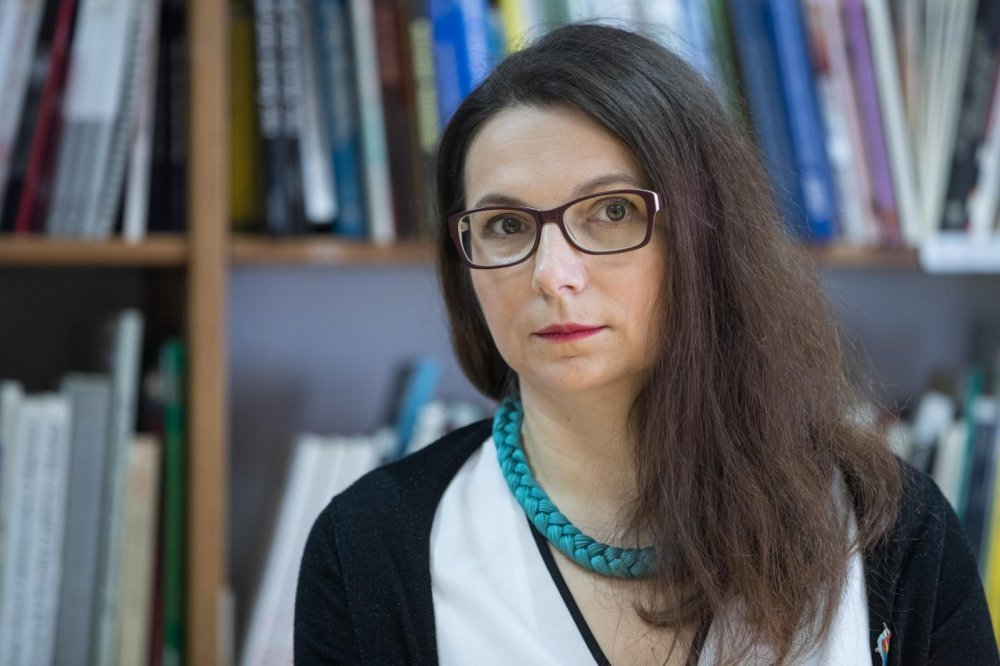
Green Action/Friends of the Earth Croatia

Program Director, ECNL- European Center for Not-for-Profit Law Stichting
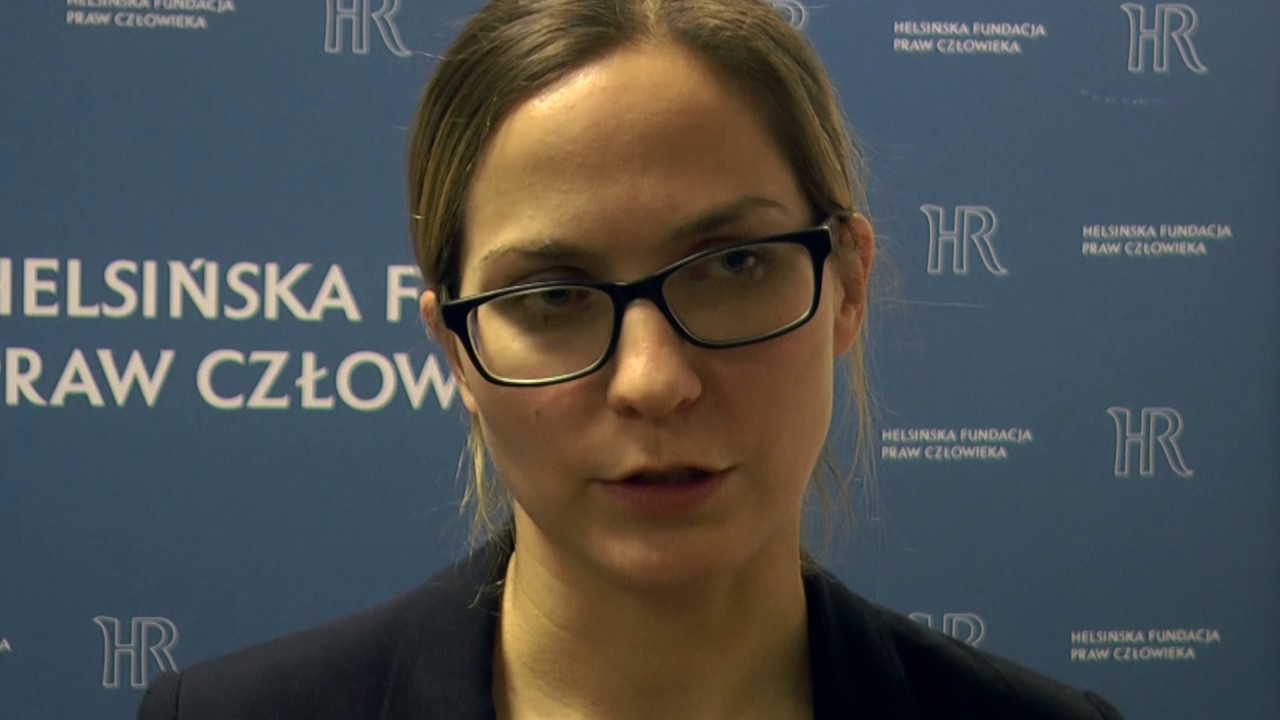
Head of Advocacy, Helsinki Foundation for Human Rights (HFHR) in Warsaw, Poland

Journalist, Trade Union of Croatian Journalists President
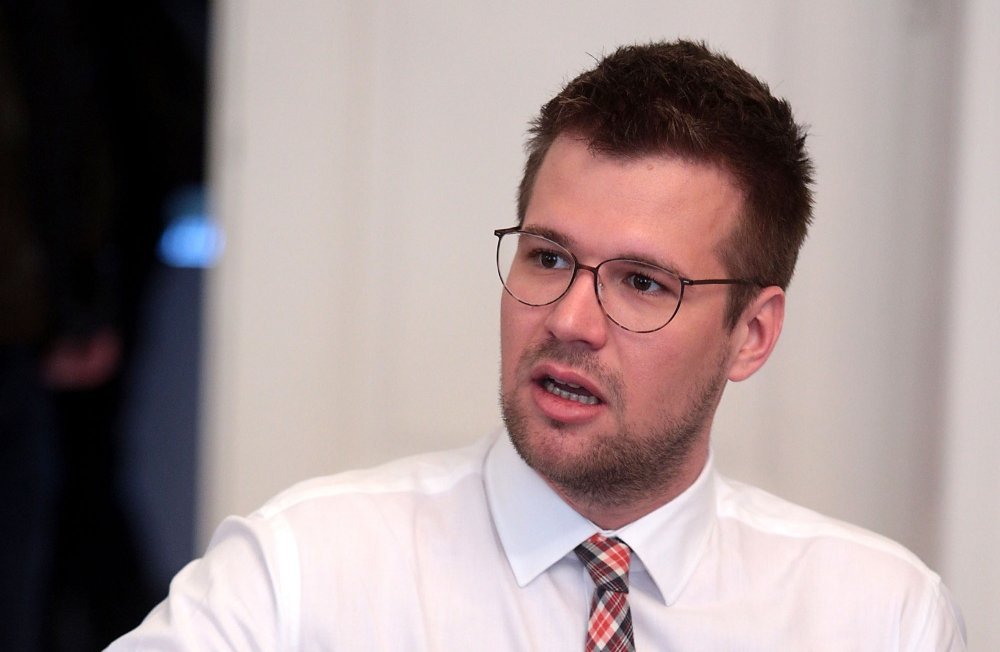
Human rights house Zagreb

Senior Advisor in the Cabinet of European Ombudsperson

European Union’s Agency for Fundamental Rights (FRA), Head of the Institutional Cooperation and Networks Unit

Croatian Deputy Ombudswoman, Chair of the Executive board of Equinet, member of European Commission against Racism and Intolerance (ECRI)

President of Croatian Conflicts of Interest Prevention Commission
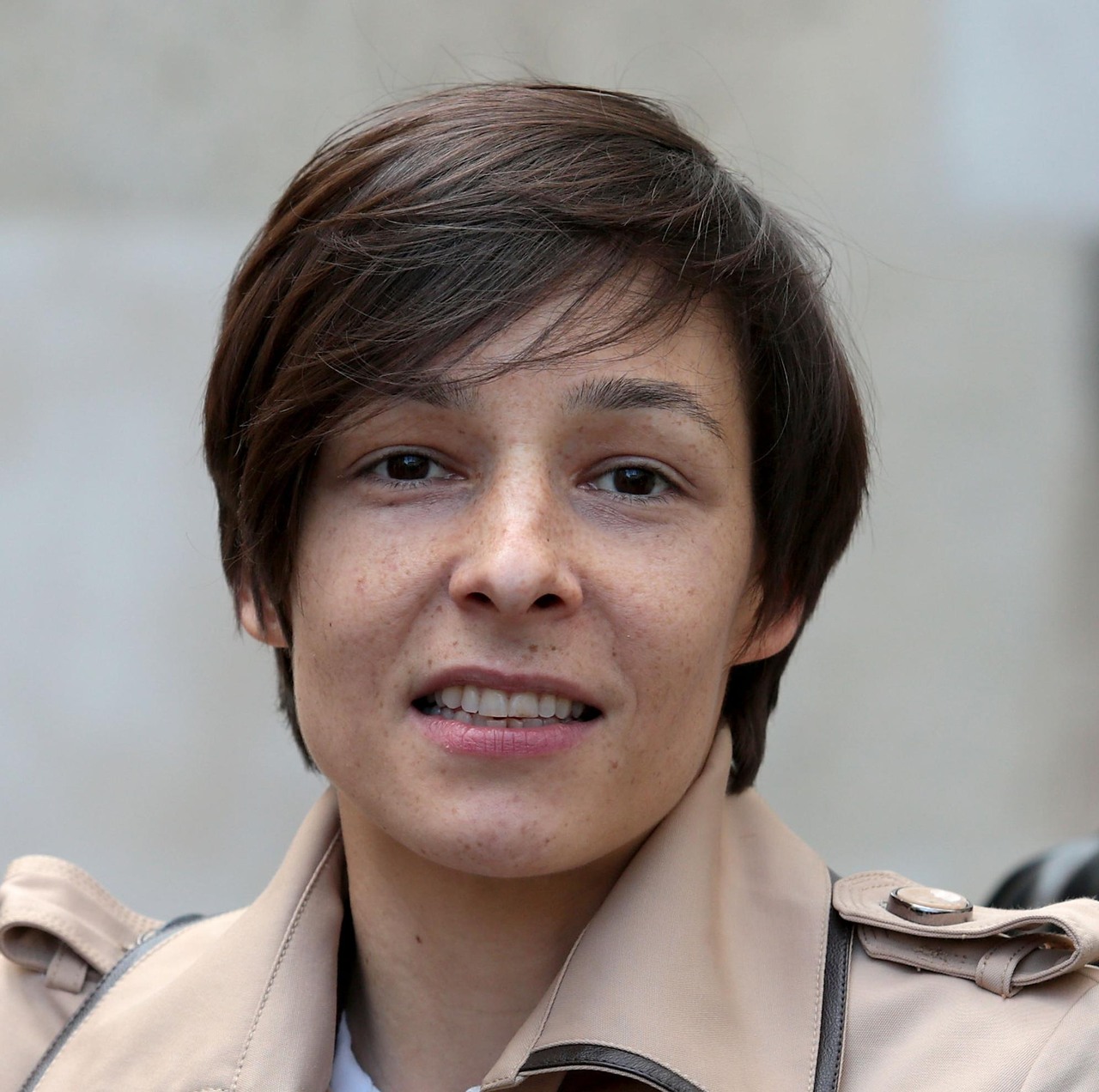
Gong

Director of European Union’s Agency for Fundamental Rights
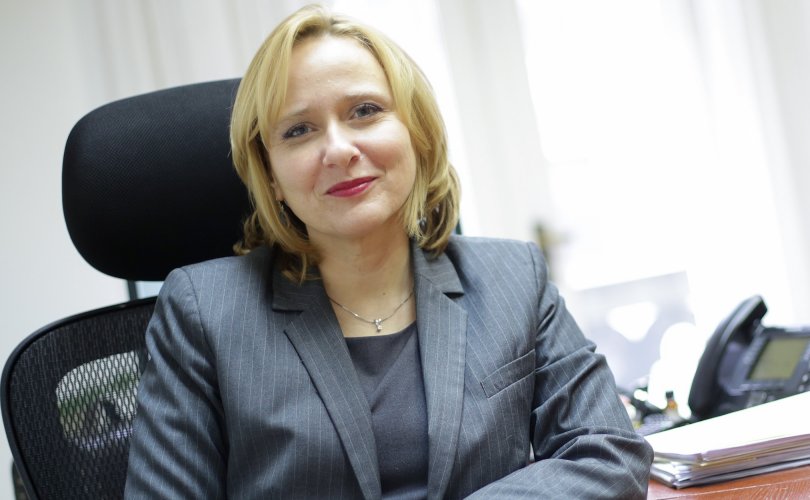
Croatian Ombudswoman

N1 television
Thank you for your interest in Zagreb, Just EUrope – Human Rights and Rule of Law conference! Conference will gather leading international experts and stakeholders to provide insights for creating better policies and mechanisms for protecting the rule of law and human rights within the member states.
To participate in the conference it is mandatory to register via the registration form below. Your registration will help us to keep track of the number of participants and accommodation available.
CROSOL has a limited budget available for travel reimbursement and accommodation for the total number of participants in the conference. The participants who ticked the boxes for travel reimbursement and accommodation will be contacted individually to arrange the best possible travel arrangements.
In case you are booking and paying for your accommodation independently from CROSOL, feel free to mention that you are participating in the “Just EUrope” conference to secure better prices (only valid for accommodation in the Hotel International).
Venue: Hotel International, Miramarska 24, Zagreb
Date of the event: 17. – 18.03.2020.
Deadline for registration is 08.03.2020.